How Weather Conditions Affect Asphalt Paving and Blacktopping
People seeking asphalt paving and blacktopping often want durable surfaces, and local contractors can help manage weather-related challenges to ensure quality results.
Understanding how weather conditions affect asphalt paving and blacktopping is essential for property owners looking to ensure a durable and long-lasting surface. Variations in temperature, moisture levels, and precipitation can influence the quality of paving projects, potentially leading to issues like cracking, uneven surfaces, or premature wear. Property owners in the area might explore this topic to better plan maintenance schedules, select appropriate materials, or determine the right timing for new installations. By learning about these weather impacts, they can make informed decisions and work with local contractors who are experienced in navigating these conditions for optimal results.
For those considering asphalt paving or blacktopping, knowing how local weather patterns influence the process can help prevent costly repairs down the line. Local service providers understand how temperature fluctuations and humidity levels can affect the setting and curing of asphalt, ensuring that projects are completed under the best possible conditions. Exploring this topic also highlights the importance of professional expertise in managing weather-related challenges, giving property owners confidence that experienced contractors can adapt their techniques to produce a smooth, resilient surface suited to the area's climate.
- Asphalt Paving - homeowners may need asphalt paving services to address cracks or damage caused by temperature fluctuations, with local contractors using weather-aware techniques to ensure proper installation.
- Blacktopping - property owners planning to resurface or repair driveways often seek blacktopping services, where local pros adjust their methods based on current and forecasted weather conditions.
- Asphalt Paving - extreme heat or cold can impact the quality of asphalt installation, prompting local service providers to choose the right timing and materials for optimal results.
- Blacktopping - after heavy rain or freezing temperatures, local contractors may recommend postponing blacktopping projects to prevent issues like improper bonding or surface defects.
- Asphalt Paving - local pros often evaluate weather patterns to determine the best approach for paving projects, ensuring durability despite challenging weather conditions.
When people search for how weather conditions affect asphalt paving and blacktopping, they often want to understand how seasonal changes and daily weather patterns can influence the quality and durability of their paved surfaces. This topic is commonly explored by homeowners planning new driveways, parking lots, or repairs, as well as property managers overseeing commercial or multifamily properties. Concerns typically include how temperature fluctuations, precipitation, and humidity can impact the installation process, the curing of asphalt, and the long-term performance of the pavement. Understanding these factors helps property owners anticipate potential issues and plan projects at times when weather conditions are more favorable, ensuring a smoother process and a longer-lasting result.
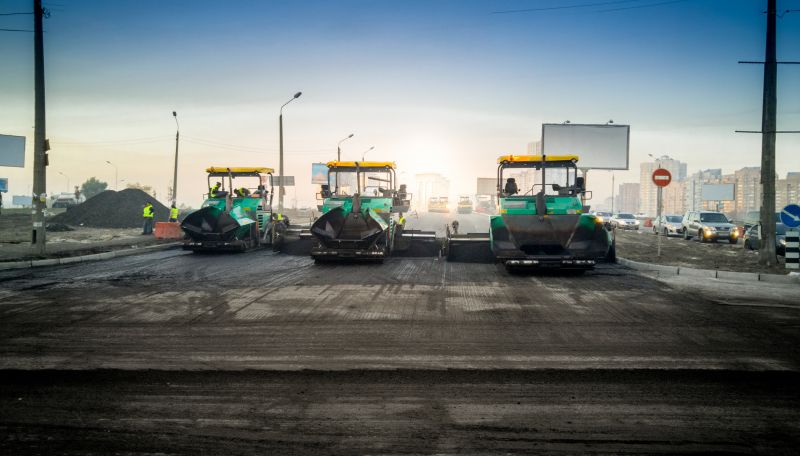
Weather plays a critical role in many aspects of asphalt paving and blacktopping projects. For example, extreme cold can make asphalt difficult to work with, leading to poor compaction and a weaker surface that is prone to cracking. Conversely, excessive heat can cause the asphalt to become too soft, making it challenging to achieve proper density and surface smoothness. Rain and moisture are also significant concerns, as they can delay paving work, cause uneven surfaces, or lead to water infiltration that weakens the pavement over time. Local service providers are experienced in assessing weather forecasts and conditions to determine the best timing for paving, helping to prevent problems that arise when weather is not ideal for installation.
The types of properties that often come into play when considering how weather affects asphalt projects include residential driveways, commercial parking lots, and municipal roads. Each property type has unique considerations related to weather, such as the size of the area, the expected traffic load, and the exposure to elements. For residential properties, homeowners may be concerned about how seasonal changes will influence the longevity of their driveway. Commercial property managers might focus on minimizing disruptions caused by weather delays. Local contractors understand these different needs and can advise on the best times to schedule paving work, as well as recommend protective measures to mitigate weather-related risks during and after installation.
Understanding how weather conditions influence asphalt paving and blacktopping is essential for achieving durable, high-quality results. Property owners who recognize the importance of timing and weather considerations can better coordinate with local service providers to ensure proper installation and maintenance. These professionals are skilled at evaluating current and forecasted weather, helping clients plan projects during optimal conditions. By working with experienced local contractors, property owners can reduce the likelihood of issues caused by adverse weather, ensuring that their paved surfaces perform well over time. This practical approach helps protect investments and maintains the appearance and functionality of driveways, parking areas, and other paved surfaces.
Driveway Expansion Projects - local contractors experienced in asphalt work can help plan and execute driveway expansions while accounting for weather conditions that affect paving quality and durability.
Parking Lot Resurfacing - professionals specializing in blacktopping can manage large-scale resurfacing projects, ensuring weather impacts are minimized for a long-lasting finish.
Sidewalk and Pathway Construction - local service providers skilled in asphalt and blacktop installation can adapt their planning to weather patterns to ensure proper setting and longevity.
Basketball Court and Recreational Surface Installations - these projects require precise planning around weather conditions to maintain surface integrity and safety standards.
Industrial and Commercial Asphalt Repairs - experienced contractors can assess weather influences to optimize repair timing and material application for maximum durability.
Sealcoating and Surface Maintenance - local pros can advise on weather-friendly scheduling to protect asphalt surfaces and extend their lifespan effectively.
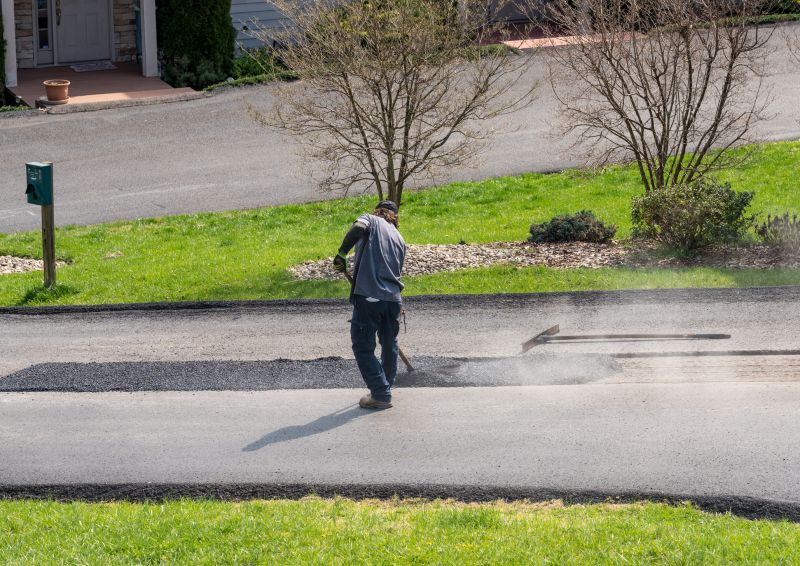
When evaluating asphalt paving and blacktopping service providers, it is essential to consider their experience with similar projects, especially those that involve varying weather conditions. An experienced contractor will understand how different weather patterns-such as extreme heat, cold, or moisture-can influence the quality and longevity of pavement. They should be able to demonstrate knowledge of how weather conditions affect asphalt paving and blacktopping, ensuring that the materials and techniques used are appropriate for the local climate and seasonal variations. This expertise can help prevent common issues like cracking, uneven surfaces, or premature deterioration caused by weather-related factors.
Clear written expectations are a critical aspect of comparing local contractors for asphalt paving and blacktopping services. A reputable service provider will communicate how weather conditions might impact the project timeline, surface quality, and durability. They should provide detailed explanations of how weather can influence the paving process, such as the importance of temperature and moisture levels during installation. Ensuring that expectations are well-documented helps homeowners understand the scope of work, potential weather-related challenges, and the measures the contractor will take to address them, leading to a smoother project experience.
Reputable references and strong communication skills are valuable indicators when selecting local contractors for asphalt paving and blacktopping. Service providers with positive references from past projects involving different weather scenarios can offer insights into how effectively they manage weather-related challenges. Additionally, good communication ensures that homeowners are kept informed about weather forecasts, potential delays, and adjustments needed during the project. This transparency helps in planning and minimizes surprises, fostering confidence that the contractor can handle weather conditions appropriately while delivering a quality finished surface.
Property owners often search for how weather conditions affect asphalt paving and blacktopping when they are planning practical projects around their homes and businesses. Local pros provide Asphalt Paving and Blacktopping services for everyday jobs and straightforward project options.
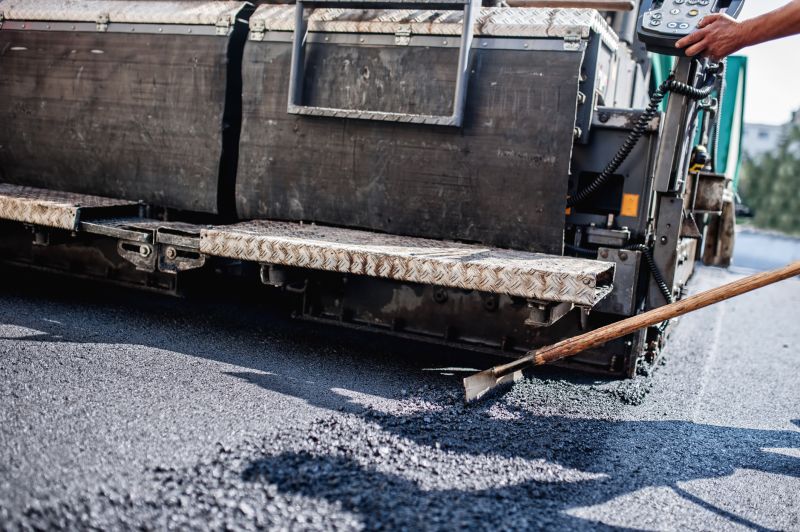
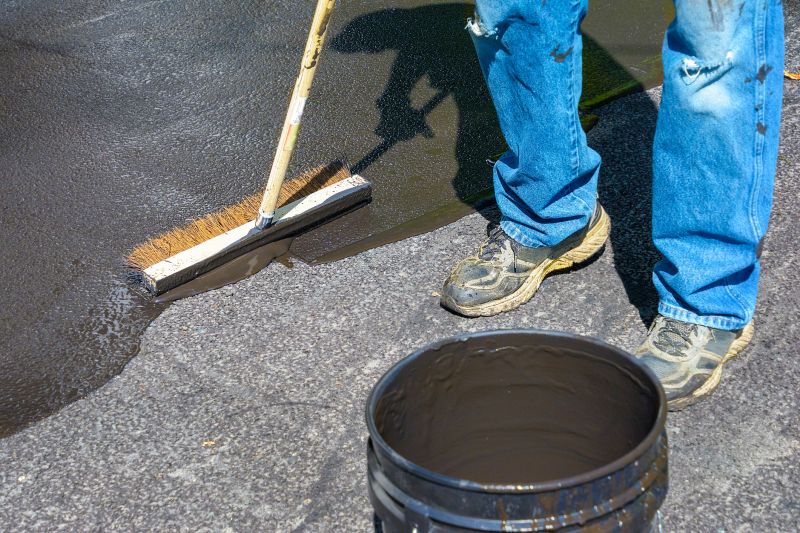
Weather conditions play a significant role in the success of asphalt paving and blacktopping projects. For property owners considering these services, understanding how temperature, rainfall, and humidity can impact the process is essential. For example, hot and dry weather typically helps achieve a smooth, durable surface, while excessive moisture or sudden temperature drops can cause issues like surface cracking or improper bonding. Local contractors are experienced in assessing current weather patterns and adjusting their methods to ensure the best results, helping property owners avoid common problems caused by unfavorable conditions.
In addition, weather fluctuations can influence the timing and quality of asphalt work. Heavy rain or frost can delay paving schedules or lead to surface imperfections if work is attempted under unsuitable conditions. Property owners looking to schedule blacktopping or asphalt paving should consider how upcoming weather might affect the project and seek guidance from local service providers who understand the area's climate. These professionals can recommend optimal times for paving and blacktopping, ensuring the finished surface withstands the local weather patterns and maintains its integrity over time.
How does rain impact asphalt paving and blacktopping projects? Rain can delay or disrupt asphalt paving and blacktopping because excess moisture prevents proper compaction and adhesion, leading to potential surface issues. Local contractors monitor weather conditions to schedule work during dry periods for optimal results.
Can extreme heat affect the quality of asphalt paving and blacktopping? High temperatures can cause asphalt to become too soft, making it difficult to achieve a durable surface. Local service providers often plan paving during cooler parts of the day or year to ensure a long-lasting finish.
What effect do cold temperatures have on asphalt and blacktopping applications? Cold weather can hinder asphalt from properly sealing and compacting, increasing the risk of cracks and surface damage. Experienced local pros may delay work until conditions are more suitable for a quality installation.
How do weather conditions influence the timing of asphalt paving and blacktopping? Weather conditions such as rain, snow, or extreme temperatures influence when local contractors can safely and effectively perform paving and blacktopping, often requiring specific conditions for a successful project.
Why is it important to consider weather when planning asphalt or blacktop work? Considering weather helps ensure proper curing, adhesion, and compaction, which are essential for a durable surface. Local pros evaluate weather forecasts to optimize the timing and quality of paving and blacktopping services.
Optimal timing considerations - Property owners can plan asphalt paving projects during favorable weather conditions to ensure proper curing and longevity. Local contractors can advise on the best seasons for blacktopping based on current weather patterns.
Preparing for temperature fluctuations - Understanding how temperature changes impact asphalt work helps property owners schedule projects when conditions are stable. Service providers can adjust techniques to accommodate temperature-related challenges.
Managing moisture and precipitation - Avoiding rainy or excessively humid days prevents issues like poor adhesion or surface defects. Local pros can monitor weather forecasts to select optimal days for paving or blacktopping.
Dealing with extreme weather impacts - Recognizing the effects of freezing or scorching temperatures allows property owners to delay projects until conditions improve. Contractors can implement strategies to protect asphalt during adverse weather.
If you are thinking about how weather conditions affect asphalt paving and blacktopping for a property, this guide is meant to help you understand this topic, the typical project types, and how different options might fit your plans.
When you are ready, you can use the quote form on this page to share a few details about your project. From there, local pros can review the basics and follow up with options that match what you have in mind.